What Are Implant-Supported Restorations?
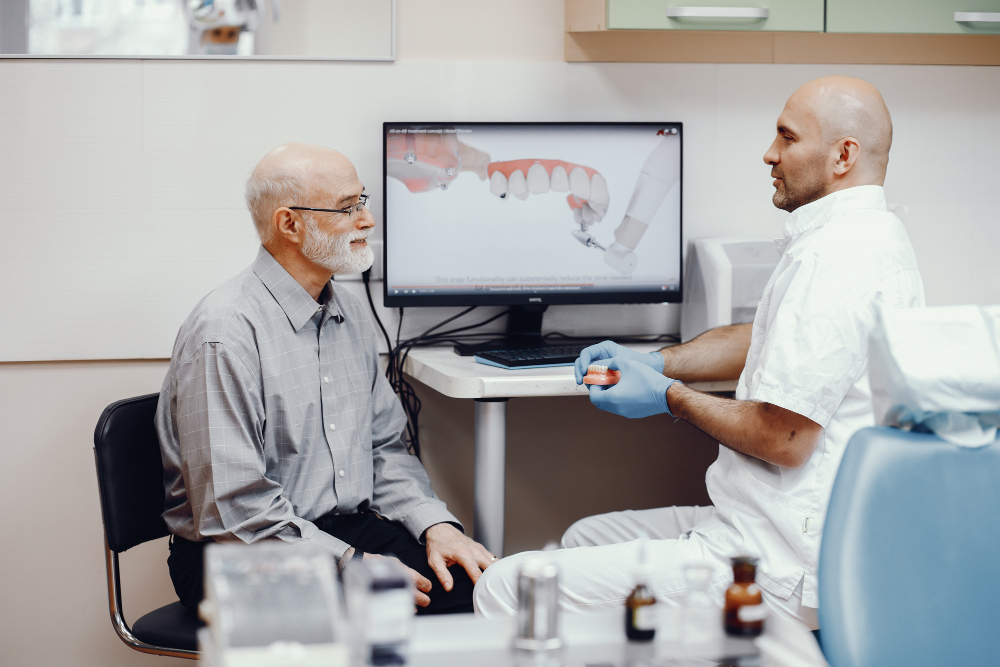
Implant-supported restorations are dental solutions that replace missing teeth. They use dental implants, which are small metal posts placed in the jawbone. These posts act like natural tooth roots. After healing, a dentist attaches crowns, bridges, or dentures to the implants. As a result, you get strong, stable teeth that look and feel natural. Many people choose implant-supported dental restorations for their long-term benefits and comfort.
Common Symptoms and Dental Issues They Address
Missing teeth can cause many problems. For example, you may have trouble chewing or speaking. Sometimes, gaps in your smile can lower your confidence. Over time, missing teeth may also lead to shifting of nearby teeth. This can cause bite problems or jaw pain. Implant-supported restorations help fix these issues by:
Causes and Risk Factors for Tooth Loss Requiring Implants
Tooth loss can happen for several reasons. Most often, it is due to gum disease or tooth decay. However, injuries or accidents may also cause teeth to fall out. In some cases, certain health conditions increase the risk. For instance, diabetes and smoking can harm your gums and teeth. Age is another factor, as older adults are more likely to lose teeth. Knowing these risks can help you take steps to protect your smile.
Diagnosis and Assessment for Candidacy
Before getting implant-supported dental restorations, your dentist will check if you are a good candidate. First, they will review your medical and dental history. Next, they will examine your mouth and take X-rays. Sometimes, a CT scan is needed to see the jawbone. Healthy gums and enough bone are important for success. If you have bone loss, your dentist may suggest bone grafting. People with certain health problems may need special care. Therefore, a full assessment is key for safe and lasting results.
Treatment Process: Step-by-Step Overview
The process for implant-supported restorations happens in several steps. Here is a simple overview:
Each step is important for a strong and lasting result. Your dentist will guide you through the process and answer your questions.
Benefits and Long-Term Outcomes
Implant-supported dental restorations offer many benefits. First, they look and feel like natural teeth. Also, they help you eat and speak with confidence. Unlike regular dentures, implants do not slip or move. Over time, they help keep your jawbone healthy and prevent bone loss. Most people enjoy their new teeth for many years. With good care, implants can last a lifetime. Studies from the CDC and dental journals show high success rates for these long-term dental solutions.
Potential Risks and Complications
While implant-supported restorations are safe, some risks exist. For example, infection at the implant site can happen. Sometimes, the implant may not bond with the bone. Rarely, nerve damage or sinus problems may occur. Smoking and poor oral hygiene increase these risks. However, most problems can be managed with early care. Your dentist will explain how to lower your risk and watch for warning signs.
Lifestyle Guidance and Aftercare Tips
Proper aftercare is important for implant success. Here are some helpful tips:
With good habits, you can enjoy your new teeth for many years.
Prevention of Future Dental Issues
Preventing future tooth loss is possible with simple steps. First, brush and floss every day. Next, see your dentist for cleanings and exams. Avoid sugary foods and drinks, as they can cause decay. If you play sports, wear a mouthguard to protect your teeth. By taking care of your mouth, you lower the chance of needing more dental work later.
Conclusion: Take the Next Step
Implant-supported dental restorations are a proven, long-term dental solution for missing teeth. They offer many benefits and can improve your quality of life. If you are missing teeth or want to learn more, consult a dental specialist to discuss if implant-supported restorations are right for you.